Need Help?
Classrooms
New here?

Are you new here? The site has grown to serve our machine knitting community worldwide.
Explore Knit it Now and discover how we can help you be a better machine knitter.
Charting Knitting Patterns

Creating your own patterns isn't hard, it's another important skill for every knitter. You may not want to chart an entire sweater, but understanding the process goes a long way to making alterations to patterns and customizing your knitting.
Short Row Shaping (partial knitting)
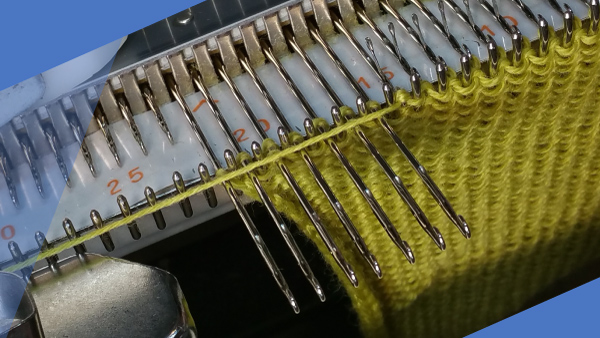
Short Row Shaping (AKA Partial Knitting) is an essential skill for all machine knitters.
Instead of knitting just squares and rectangles, short row shaping is used to shape your knitting.
Scarf or Shawl
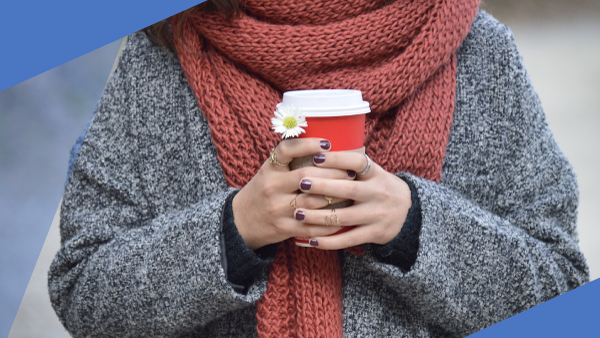
Warm scarves are always a welcome addition to anyone's wardrobe.
As machine knitters, it's easy for us to quickly finish beautiful scarves. At the same time we build confidence and knowledge of our machines.
Neckline Shaping
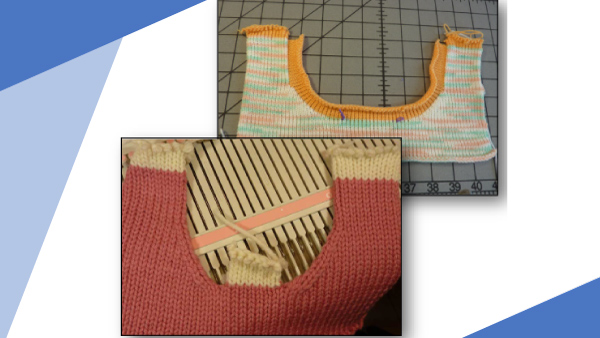
Shaping necklines can be challenging. Explore tips an tricks for success.
Fixing Mistakes

We all make 'em! Tips for fixing mistakes when machine knitting.
Sew as you Go (SAYG)

A technique for joining knitted piece as they are knit, eliminating or reducing seaming
Double Bed Jacquard

Double Bed Jacquard (DBJ) is a technique for knitting multiple colors per row and incorporating ribber needles to cover floats.
Darts for better fit

Shaping your knitting with darts can really improve fit. Learn what they are, how to create knitting instructions and how to knit them.
Passap
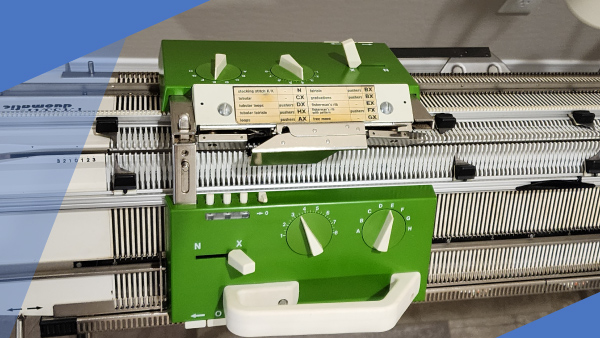
Follow along as this long-time Japanese machine knitter learns to use a Passap DM80
Hand Knit to Machine Knit

Get the best of both world by combining hand knitting and machine knitting.
Babies and Kids

Knitting for babies and kids is a fast and fun way to polish your knitting skills.
Imagining a little cherub in your creation makes it even sweeter!
From simple all-in-one designs to traditional construction, use our baby and kids inspiration as a canvas for your creativity.
Fairisle (Stranded Knitting)

Hand knitters should be jealous of how quickly and neatly we can work Fairisle (stranded knitting) on our machines.
Automatic patterning (punchcard and electronic) machines make quick work of knitting with multiple colors. With manual machines, you can also work fairisle more quickly than by hand.
Practice Makes Progress
Instead of jumping in with an adult size project, try new-to-you techniques with practice patterns
Hems and Edges

Hems are the finishing touch for any knitted item. Sure you can add ribbing or just let the edges roll. But ...adding a hem creates a stable edge, adds interest and gives your item a designer touch.
Here's a challenge: Plan and knit a hem on your next project!
Bind off Methods

There are many bind off methods. Explore different techniques and expand your finishing skills.
Hand Manipulation

Expand the possibilities of your machine with hand manipulation. Reform, move, twist stitches. Knit them out of order. Create beautiful stitch patterns by taking time to hand manipulate.
Community Knitting

Put your skills to good use with machine-knit projects that warm hearts and help those in need—perfect for stash-busting and skill-building.
Stripes

Jazz up your knitting with stripes. Add color, horizontal stitch patterns, eyelets, garter ridges ... the sky's the limit!
Shawl Collar
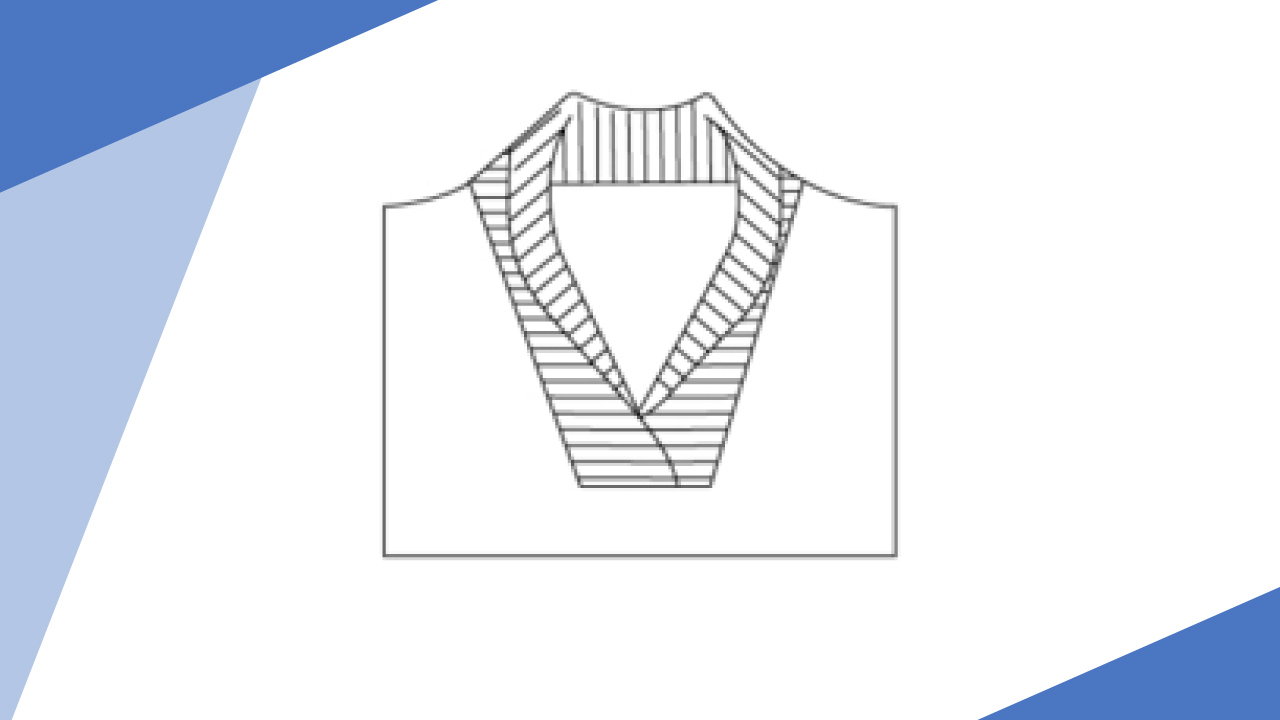
Classic shawl collar sweaters can be a beautiful addition to any wardrobe. Explore the challenges of knitting shawl collar sweaters on our knitting machines.
Mitten Magic
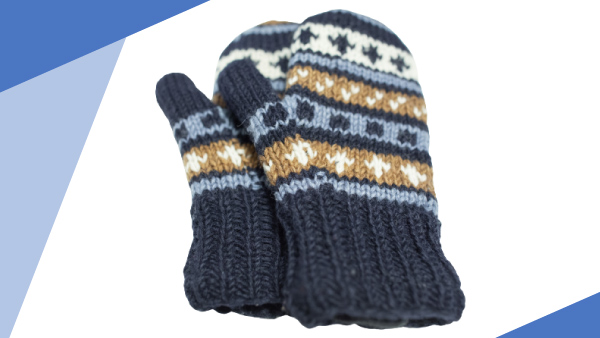
Mittens and gloves can be quick projects to use up small amounts of yarn ... and keep hands warm!
You can make them as complicated as you like, or down-and-dirty, quick-n-easy ... it's your choice!
Ease

Learn how Ease makes garments comfortable for YOU.
Circles on the Machine

As machine knitters, we spend a lot of time knitting rectangles and squares. Knitting circles opens up a world of design possibilities.
Let's explore some circular inspiration!
Mock Ribbing

No ribber? No problem! Mock ribbing gives the look of ribbing without purl stitches
Socks on a Knitting Machine
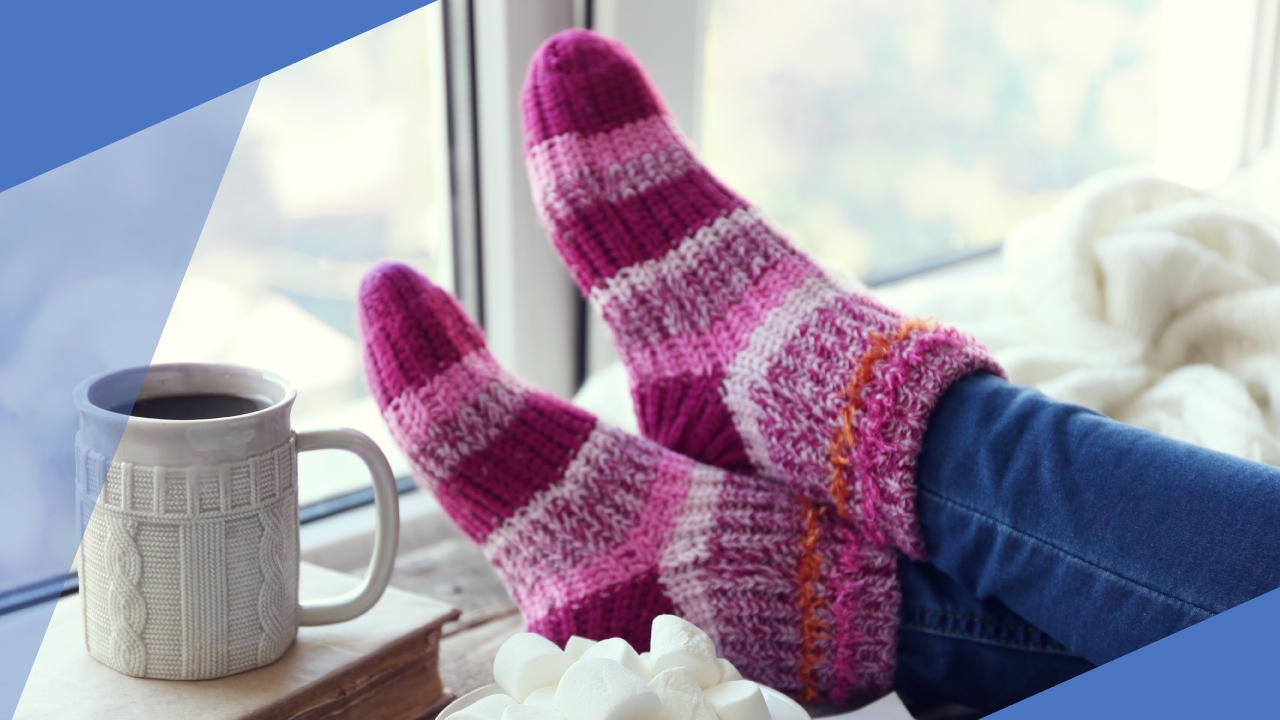
Knitting socks on a flatbed machine shouldn't be intimidating. Master short row shaping and you can knit lots of variations.
Toe up, cuff down, yoga socks, socks for kids and adults ... the sky's the limit!
Cables on a Knitting Machine

Yes ... traditional cables are possible on the knitting machine.
Cast on Methods

So many options to get our knitting started. Do you have a "go-to" favorite? Maybe it's time to try something new!
Pintucks
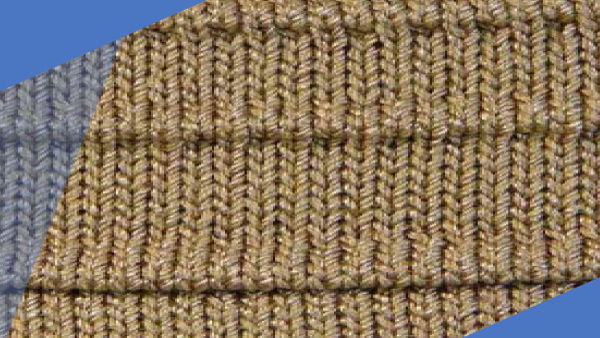
Pintucks on either the single or double bed can add interesting texture to your knitting.
Explore the many methods of adding "ridges".
Explore the many methods of adding "ridges".
Tuck Lace
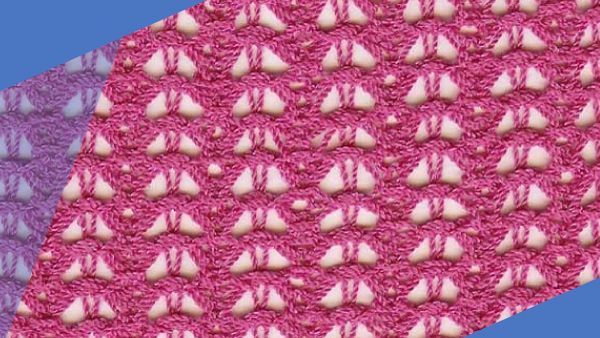
Open, lace-like knitting on any machine without a lace carriage or stitch transfers. Combine tuck with needles out of work for beautiful knits.
Plating (Plaiting, Platting)

Fun with Flat Ribs

Flat ribs are a simple but powerful double-bed technique that adds texture and structure to your knitting.
In this classroom, you'll learn how to set up and knit flat ribs, experiment with needle selection, and troubleshoot common issues.
In this classroom, you'll learn how to set up and knit flat ribs, experiment with needle selection, and troubleshoot common issues.
Picots on the Knitting Machine

A picot is a simple way to add a decorative edge to your knitting. It creates tiny loops or points along the edge, giving your project a delicate, lacy finish. You’ll often see picots used on hems, cuffs, or necklines for that extra touch of detail.
Explore the many ways to form picots on a machine.
Explore the many ways to form picots on a machine.
End Needle Selection

When knitting in pattern it's important to control the end needles as you knit. Keeping the edges neat and tidy makes it easier to seam.
Troubleshooting

It's happened to us all ... the work drops off the machine (always at the worst moment). We drop stitches or knit in a knot.
Knitweave

Weaving on the knitting machine is an often overlooked technique that has lots of possibilities. The idea is to carry strands of yarn across the purl side of the knitting, creating decorative floats.
Ravel Cord
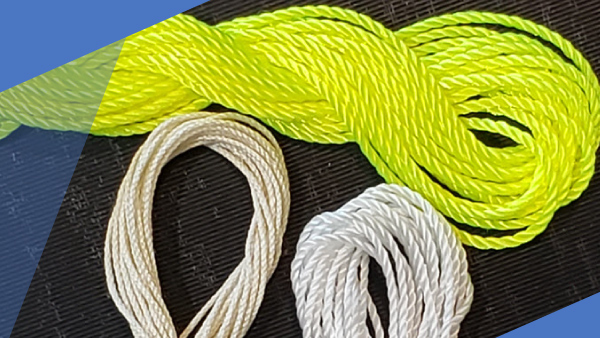
Ravel cord has so many uses for machine knitters, it's "must have".
Learn what it is and some of the many uses for ravel cord.
Buttons and Levers

Yikes! All those buttons and levers! How will I ever learn them all?
You CAN do it!
You CAN do it!
Knits that Fit

Knitting sweaters that fit can be the most challenging part of knitting for yourself (or others).
Learn what it takes by paying attention (and learning about) not only to measurements, but knitting techniques that can impact fit.
Learn what it takes by paying attention (and learning about) not only to measurements, but knitting techniques that can impact fit.
Manual Machines

Manual machines do not have working punchcards or electronics. Most of the stitch pattern techniques available with Automatic Patterning machines are knit-able on manual machines. It's just a matter or manually selecting needles.
About Knitting Machines

Vintage machine database, machine-specific info, manuals and listing of machines from around the world
How Much Yarn do I Need?

If you are substituting yarns or creating your own patterns, you need to know how much yarn you'll need to complete your project.
There are a number of ways to estimate how much yarn you'll need.
There are a number of ways to estimate how much yarn you'll need.
Pockets for Machine Knitters
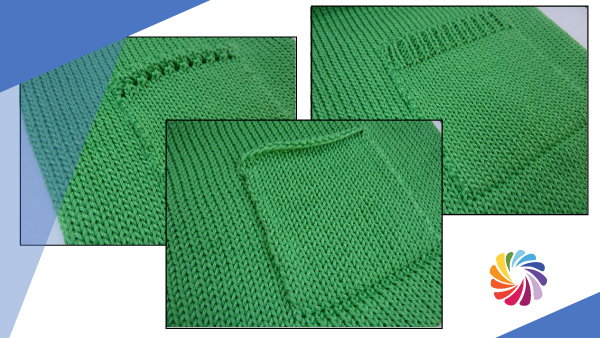
Practical, useful and fun, pockets can add a designer touch to any sweater.
Sideways Knitting
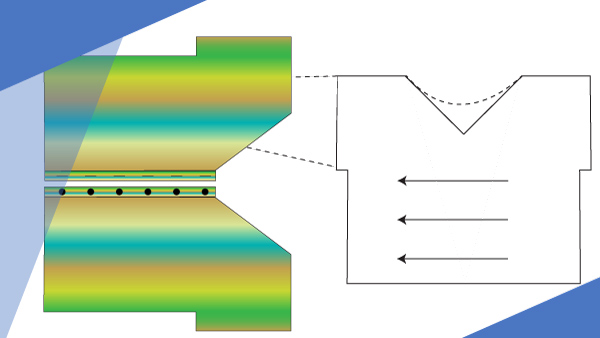
Knitting Sideways offers design possibilities
Skirts on the Machine
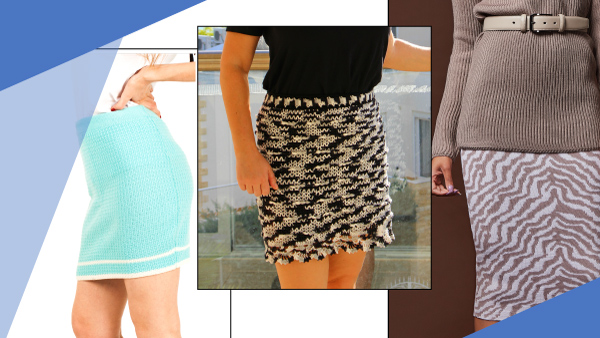
Knitted skirts are so flattering, feminine and comfortable to wear. Plain or fancy, with our knitting machines we can make quick work of skirts.
Curved Hems

Shaping hems can add a designer touch as well as improve fit. Explore different methods of adding curved hems to your sweaters, from charting to knitting.
Ribber Fabric
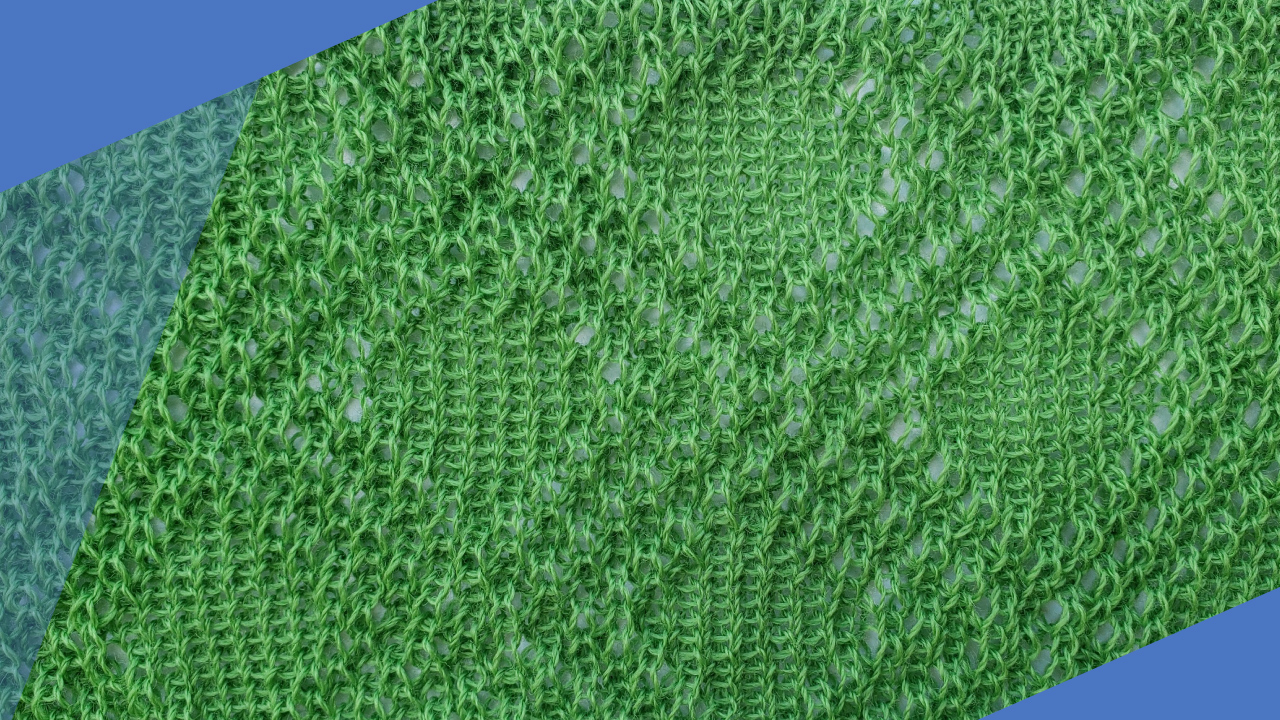
Use Automatic Patterning on the main bed, combined with ribber needles in work to create texture
Ribbing without a Ribber
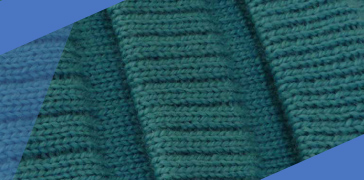
No Ribber? No Problem
From hand knitting to hand manipulation to mock ribbing, you have options for creating ribbing on your machine.
Hats for Everyone

One of the more rewarding projects for machine knitters is hats.
Keep your loved ones warm and polish your knitting skills without a huge time investment.
Intarsia on the Knitting Machine

The ability to knit multiple colors across a row without long floats make intarsia a very versatile technique. Some knitting machines have built in intarsia capabilities, but most require an intarsia carriage accessory.
Machine Knitting Patterns | 6 methods

Although we no longer have glossy magazines and hard back books published just for us, machine knitters have many options for patterns for our knitting.
Welcome to Knit it Now
Are you new here? The site has grown to serve our machine knitting community worldwide.
Explore Knit it Now and discover how we can help you be a better machine knitter.
Shawls and Ponchos
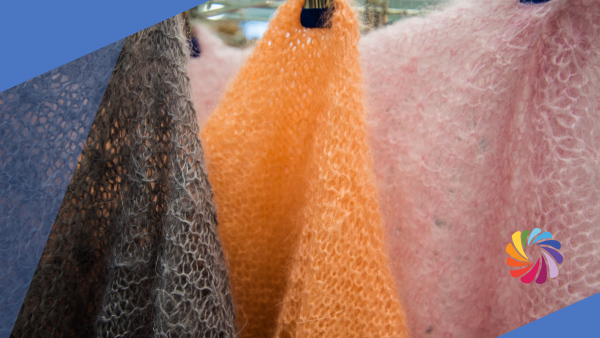
Whether it's an extravagant shawl in a luxury yarn or a prayer shawl for someone in need, knitting machines make fast work of shawl knitting.
No matter what your experience or skill level you can enjoy success with Shawls! Knit it Now offers a number of different design ideas, from knitting a plain 'ol rectangle to triangles and amazing shapes.
Yarn for Knitting Machines
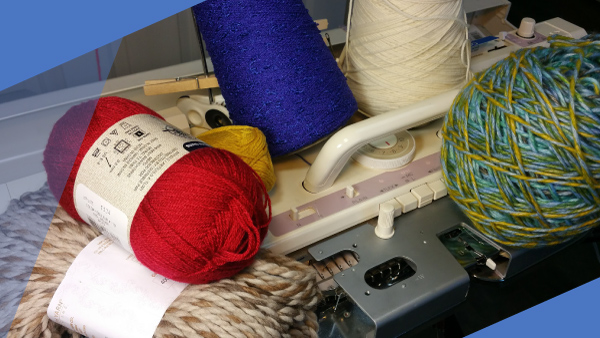
Cones, balls, hanks, skeins ... you don't need special yarn to use on your knitting machine.
BUT you must understand what yarns work with YOUR machine.
Neck Bands
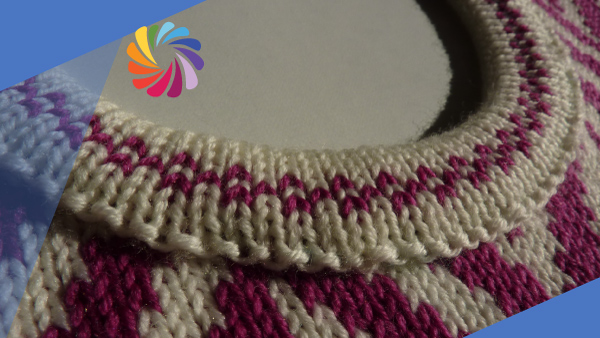
Neckbands add the finishing touch to your sweaters. No part of the sweater is more visible, so it's important to master the ART of knitting bands. There are many methods and techniques. Gain confidence by taking time to practice BEFORE you start your special one-of-a-kind masterpiece ... you'll be glad you did!
Stash Busters
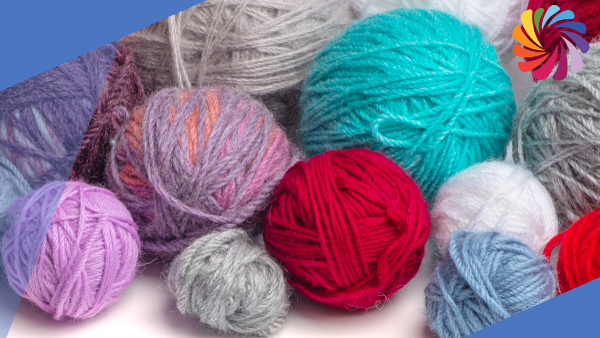
If you've been knitting for any length of time, you have some "left-overs" or yarn that hasn't been used (AKA "Yarn Stash").
Pillows
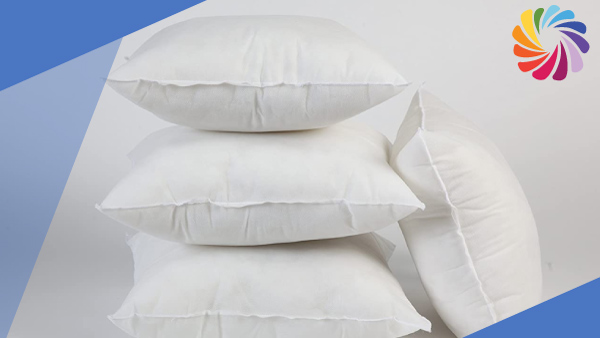
Practice your machine knitting skills and try new techniques with pillows. The simple shapes encourage your creativity and they are great stash-busters!
Buttonholes

Knitters often get overwhelmed with the thought of adding buttonholes to their knits. Although there are many tricks for professional buttonholes, remember they are just holes.
DesignaKnit | DAK

DesignaKnit is a stand-alone software for designing garments, creating stitch patterns and communicating with our knitting machines. No matter what type of machine you use (manual or automatic patterning), you can use the power of DesignaKnit (DAK).
Diagonals | Magic Formula

Learning about shaping your knitting is essential for all knitters. Diagonal shaping is the basis for most knitting patterns. Explore tips for making it easy to calculate and knit angles.
Not Enough Needles?
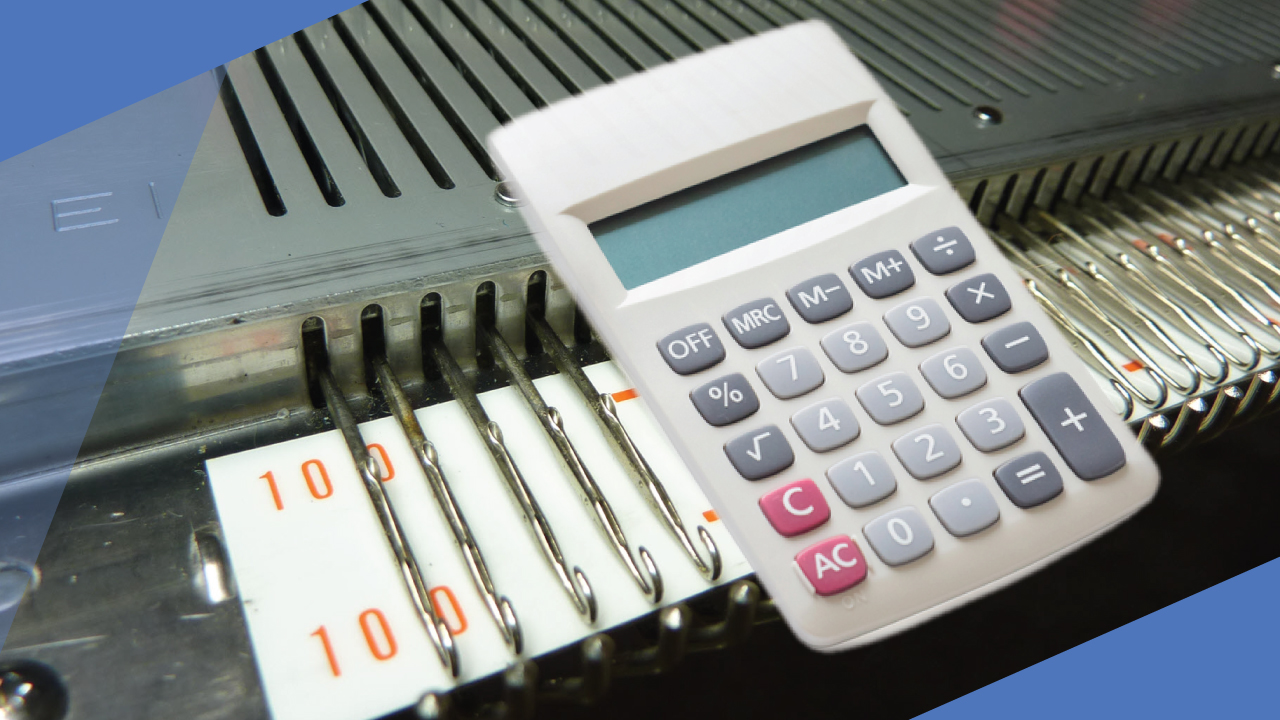
The width of our knitting is limited to the number of needles on the needlebed. There are a number of "work-arounds" to our needlebed limitations.
Increase / Decrease

Unless you only want to knit scarves and blankets, you will use increases and decreases to shape your knitting. There are many, many methods. Take time to learn multiple techniques for different results.
Sleeves
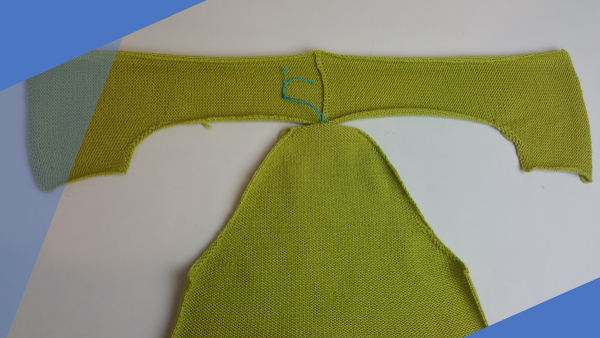
From easy to couture ... sleeves are an essential part of any sweater. If you are knitting for kids, fast 'n easy may be the way to go. For adults you may choose raglan or set-in sleeves or any of the many alternatives available.
Collars for Machine Knitters

Adding collars to knits isn't hard. It takes a little planning and an understanding of collar construction for machine knitters.
Design a collar for your next project
Design a collar for your next project
Ribber
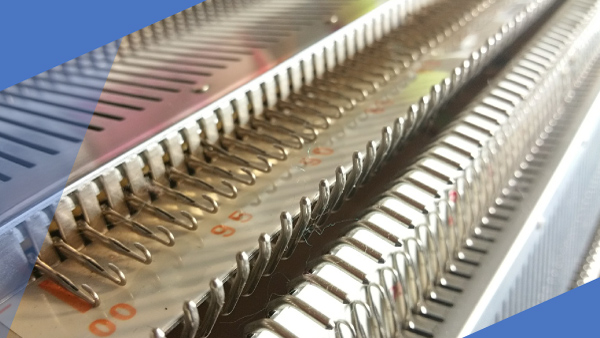
Adding a ribber to your machine knitting setup adds a world of possibilities to your knitting.
If you haven't mastered your ribber, or even taken it out from under the bed ... dust it off and get knitting!
You'll be glad you did!
If you haven't mastered your ribber, or even taken it out from under the bed ... dust it off and get knitting!
You'll be glad you did!
Ribber Part 2
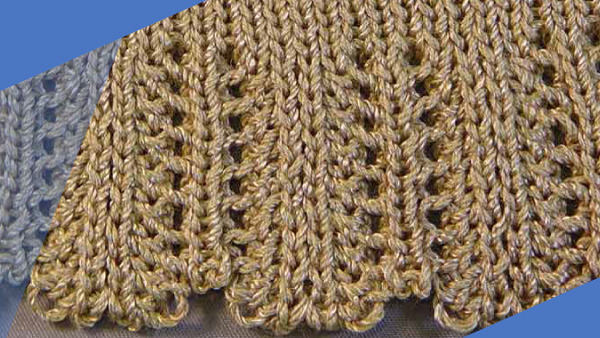
There's no reason to be intimidated by the ribber.
If you've mastered the main bed, now is the time to expand your knitting horizons.
Explore amazing fabrics you can create, beautiful trims and edges ... the possibilities are endless!
If you've mastered the main bed, now is the time to expand your knitting horizons.
Explore amazing fabrics you can create, beautiful trims and edges ... the possibilities are endless!
Lace on the machine

Lace knitting on the machine comes in all flavors. Think of "organized holes" - random or structured, adding eyelet holes to your knitting opens a world of possibilities.
From automatic patterning with a lace carriage on a standard machine, to manually transferring stitches, to knitting with xtra fine yarn on any machine ... YOU CAN KNIT LACE!
From automatic patterning with a lace carriage on a standard machine, to manually transferring stitches, to knitting with xtra fine yarn on any machine ... YOU CAN KNIT LACE!
Brother 970 Tips

The Brother 970 CB-1 Box is unique in the machine knitting world. Although the technology was advanced for it's time, today it's dated. But it isn't hard to use if you take things step by step.
Cut 'n Sew

As machine knitters we can create raw knitted "fabric" fairly quickly. Thinking of our knitting as fabric opens new possibilities for creating garments.
Hoods

Hoods add a decorative and practical touch to any sweater. Knit your own hoodie with any knitting pattern.
LK150

You can do so much with the Silver Reed LK-150 machine. This manual machine has so much going for it, that many experienced machine knitters are giving their metal bed, automatic patterning machines a rest and using the LK for fast, fun projects.
Seaming Perfection
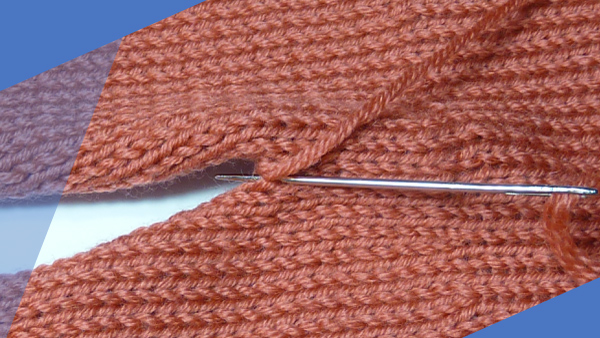
Unless you only knit scarves, you are going to join the edges of your knitted pieces. Choosing the right technique will elevate your knitting from "home made" to "hand made"
Punchcards
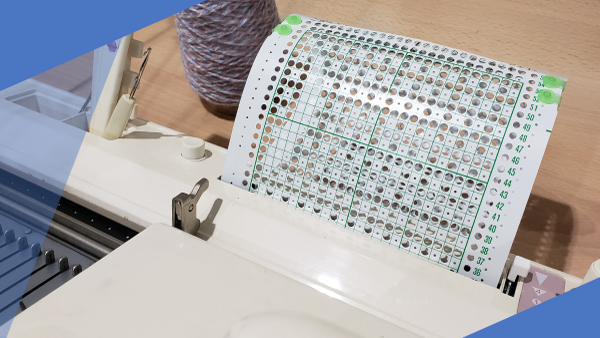
Automatic patterning with punchcards (or electronics) can seem mysterious. Understanding how they work is critical to successful knitting in pattern.
Slip Stitch
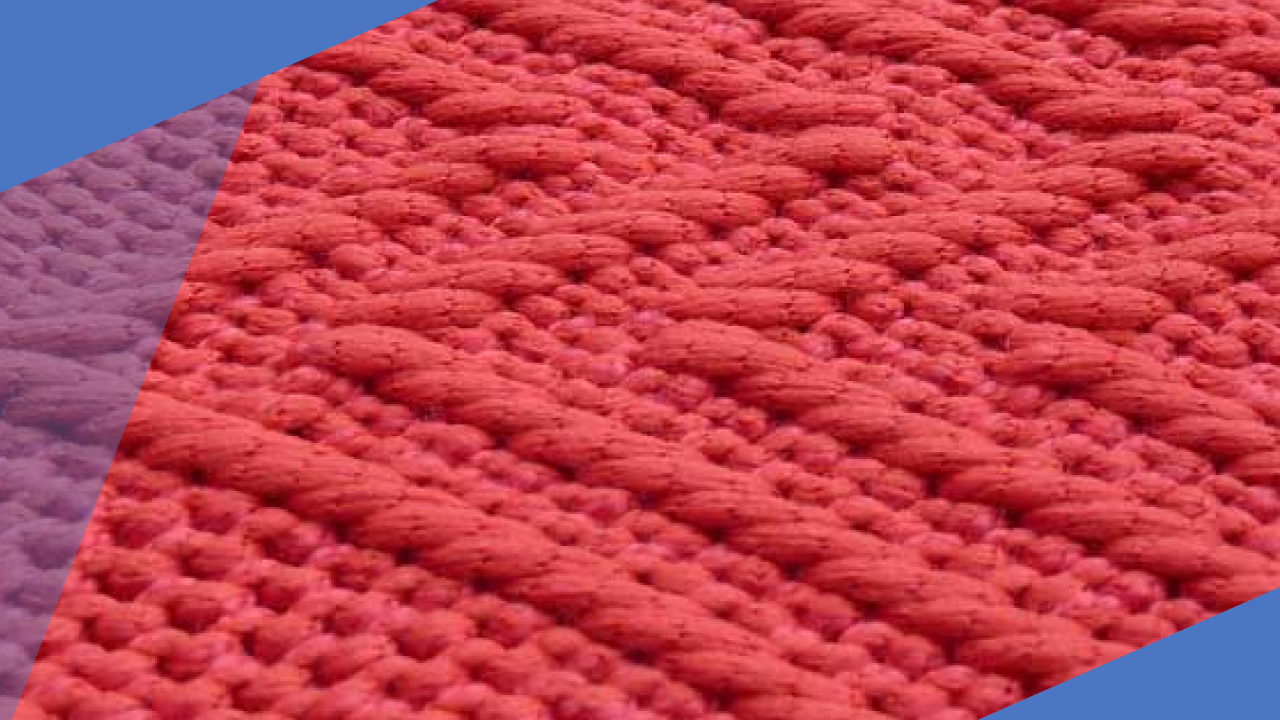
Slip Stitch is a very versatile stitch pattern available on any knitting machine.
Garter Stitch on the Machine

Be default, knitting machines knit stockinette stitch. Stockinette has a smooth side (knit) side and a bumpy side (purl side)
In hand knitting terms this is knit 1 row purl 1 row.
Hand knitters can easily knit garter stitch by knitting every row. The "purl bumps" are visible on both sides of the knitting.
As machine knitters we have to take steps to show the purl bumps on the opposite side of our knitting.
In hand knitting terms this is knit 1 row purl 1 row.
Hand knitters can easily knit garter stitch by knitting every row. The "purl bumps" are visible on both sides of the knitting.
As machine knitters we have to take steps to show the purl bumps on the opposite side of our knitting.
Blankets on the Knitting Machine

One of the more rewarding projects for machine knitters are blankets. Call them afghans, throws ... whatever ... they add color and texture to your home and keep loved ones warm and toasty!
Instead of hand knitting for weeks (or months) machine knitters can finish FAST!
Instead of hand knitting for weeks (or months) machine knitters can finish FAST!
I-Cord on the Knitting Machine

I-cord (or slip cord) can be used in many ways to embellish your knitting.
It can be used as shoulder straps for girls dresses, belts and decorative ties … the list is endless!
Machine knitters can quickly make I-cord and
it is an essential technique for beginners to learn.
It can be used as shoulder straps for girls dresses, belts and decorative ties … the list is endless!
Machine knitters can quickly make I-cord and
it is an essential technique for beginners to learn.
Tuck Talk
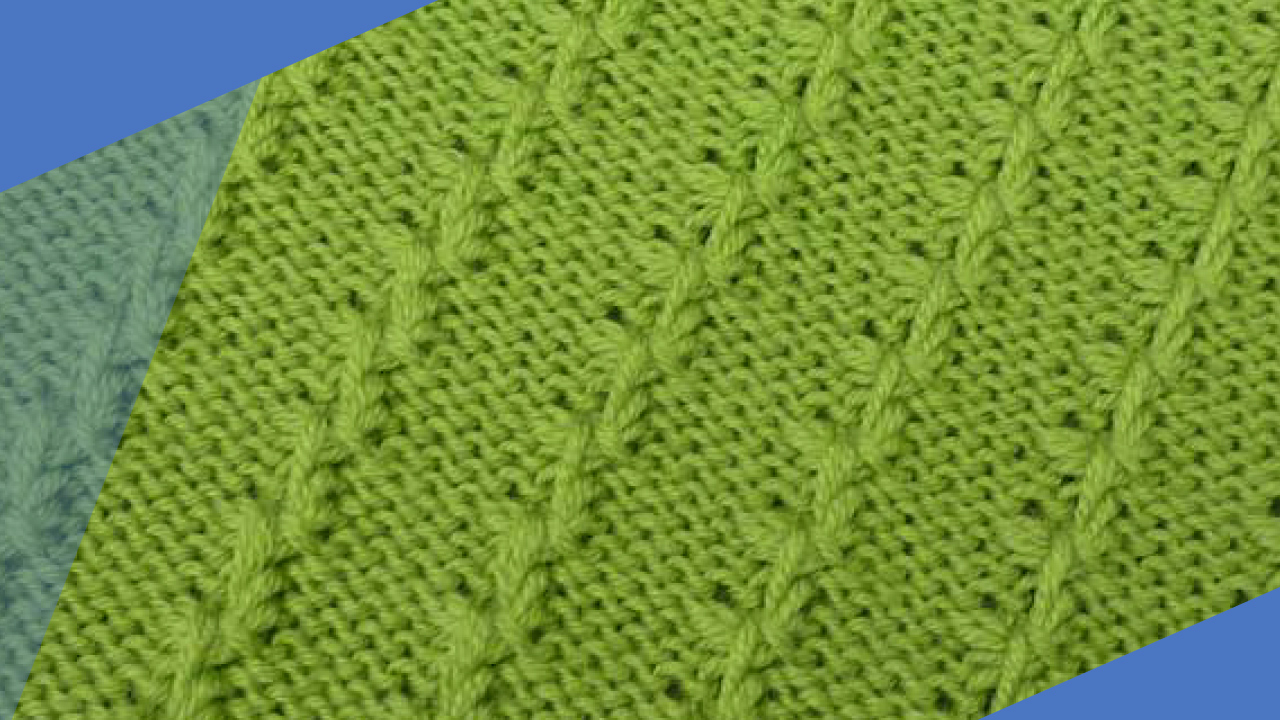
Tuck is one of the most versatile stitch patterns available to machine knitters.
Once you understand how tuck stitch is created on your machine, the sky's the limit!
Swatching is not Optional!
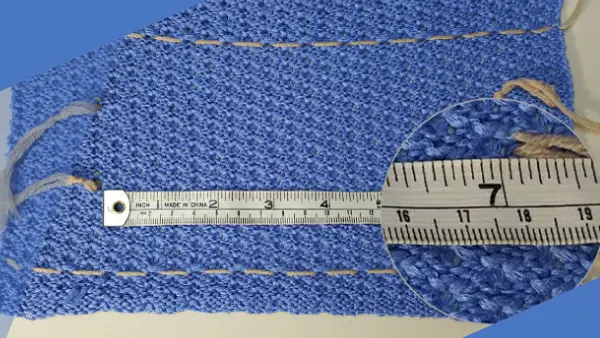
No matter what you want to knit, making gauge swatch is NOT OPTIONAL!
Welcome to Knit it Now
About Knitting Machines
Babies and Kids
Bind off Methods
Blankets on the Knitting Machine
Brother 970 Tips
Buttonholes
Buttons and Levers
Cables on a Knitting Machine
Cast on Methods
Charting Knitting Patterns
Circles on the Machine
Collars for Machine Knitters
Community Knitting
Curved Hems
Cut 'n Sew
Darts for better fit
DesignaKnit | DAK
Diagonals | Magic Formula
Double Bed Jacquard
Ease
End Needle Selection
Fairisle (Stranded Knitting)
Fixing Mistakes
Fun with Flat Ribs
Garter Stitch on the Machine
Hand Knit to Machine Knit
Hand Manipulation
Hats for Everyone
Hems and Edges
Hoods
How Much Yarn do I Need?
I-Cord on the Knitting Machine
Increase / Decrease
Intarsia on the Knitting Machine
Knits that Fit
Knitweave
LK150
Lace on the machine
Machine Knitting Patterns | 6 methods
Manual Machines
Mitten Magic
Mock Ribbing
Neck Bands
Neckline Shaping
Not Enough Needles?
Passap
Picots on the Knitting Machine
Pillows
Pintucks
Plating (Plaiting, Platting)
Pockets for Machine Knitters
Practice Makes Progress
Punchcards
Ravel Cord
Ribber
Ribber Fabric
Ribber Part 2
Ribbing without a Ribber
Scarf or Shawl
Seaming Perfection
Sew as you Go (SAYG)
Shawl Collar
Shawls and Ponchos
Short Row Shaping (partial knitting)
Sideways Knitting
Skirts on the Machine
Sleeves
Slip Stitch
Socks on a Knitting Machine
Stash Busters
Stripes
Swatching is not Optional!
Troubleshooting
Tuck Lace
Tuck Talk
Welcome to Knit it Now
Yarn for Knitting Machines
About Knitting Machines
Babies and Kids
Bind off Methods
Blankets on the Knitting Machine
Brother 970 Tips
Buttonholes
Buttons and Levers
Cables on a Knitting Machine
Cast on Methods
Charting Knitting Patterns
Circles on the Machine
Collars for Machine Knitters
Community Knitting
Curved Hems
Cut 'n Sew
Darts for better fit
DesignaKnit | DAK
Diagonals | Magic Formula
Double Bed Jacquard
Ease
End Needle Selection
Fairisle (Stranded Knitting)
Fixing Mistakes
Fun with Flat Ribs
Garter Stitch on the Machine
Hand Knit to Machine Knit
Hand Manipulation
Hats for Everyone
Hems and Edges
Hoods
How Much Yarn do I Need?
I-Cord on the Knitting Machine
Increase / Decrease
Intarsia on the Knitting Machine
Knits that Fit
Knitweave
LK150
Lace on the machine
Machine Knitting Patterns | 6 methods
Manual Machines
Mitten Magic
Mock Ribbing
Neck Bands
Neckline Shaping
Not Enough Needles?
Passap
Picots on the Knitting Machine
Pillows
Pintucks
Plating (Plaiting, Platting)
Pockets for Machine Knitters
Practice Makes Progress
Punchcards
Ravel Cord
Ribber
Ribber Fabric
Ribber Part 2
Ribbing without a Ribber
Scarf or Shawl
Seaming Perfection
Sew as you Go (SAYG)
Shawl Collar
Shawls and Ponchos
Short Row Shaping (partial knitting)
Sideways Knitting
Skirts on the Machine
Sleeves
Slip Stitch
Socks on a Knitting Machine
Stash Busters
Stripes
Swatching is not Optional!
Troubleshooting
Tuck Lace
Tuck Talk
Welcome to Knit it Now
Yarn for Knitting Machines
 Guide
Guide